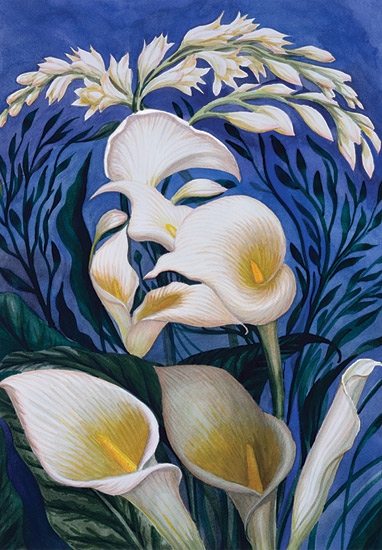
The famous Mexican artist Octavio Ocampo was born in 1947 in the city of Zelaya, Mexico. He was given birth to designers from a young age instilled a love of art and creativity. Participation in the art school Ocampo learned to make papier mache-altars, floats and all kinds of decorations, which were used to decorate parades and city festivals.

In high school, he painted murals for the preparatory school and the mayor's office of Zelaya. After graduating from the Academy of Fine Arts of San Carlos, quite a lot of time passed when the first professional exhibition of the artist took place - this was in 1976.
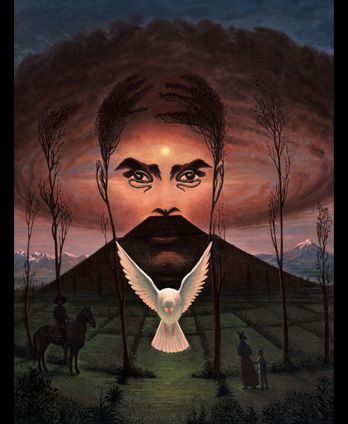
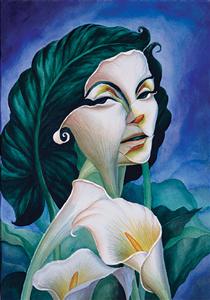
The artist himself believes that he works in a metamorphic style, and many other art historians believe that his style is more like Spanish surrealism, emphasizing the undoubted specificity of his work.
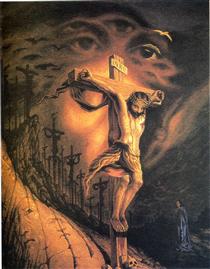
Speaking about the conceptual significance of Ocamp's works, critics note that, specializing in skillfully composed images, the artist clearly demonstrates to the viewer the idea that the picture acquires value, including through the interpretation of the observer. The meaning (including typical Christian religious subjects) is often formed with the direct participation of the viewer and depends on his perception.
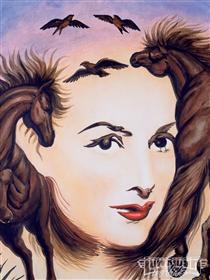
Octavio Ocampa is also known for many portraits in his author's, metamorphic style (Jimmy Carter, John Lennon, Marilyn Monroe, etc.).
“I think that it is important for the future artist to learn what is somehow connected with the kind of art that he wants to do. If this is realism or figurative painting, then it is a very good idea to learn from teachers in school or college. However, if a student wants to work with abstract forms, then knowledge of the properties of the material with which he will work can be quite enough. I think it’s important for any artist to understand history, art and philosophy. So it’s a good idea to study where history, art and philosophy can teach you. ”
Octavio Ocampo, from an interview with Edgar Hoyle on December 11, 2009
The publication was prepared on the basis of the site wikipedia.org
Войти через соц. сети: