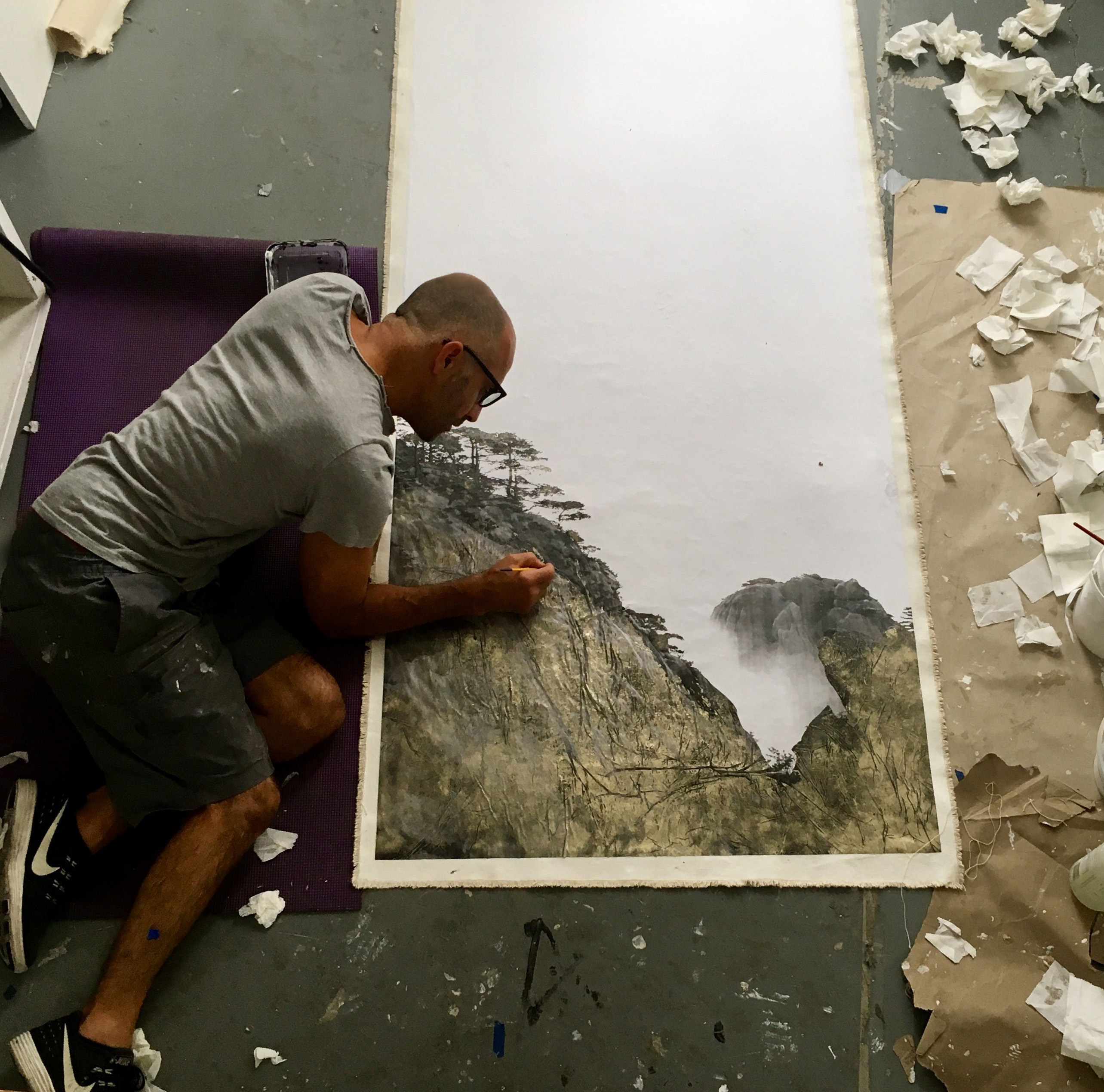
Artist Bill Claps called his last 12 months the “Asian year” with exhibitions at the Today Art Museum in Beijing and at the Art 33 Gallery in Hangzhao, China, as well as at the artist’s residence on a rural volcanic island in the south of Japan. Finding inspiration from such diverse sources as language and code, calligraphy, Chinese landscape painting, expressionism and pop art iconography, Claps’s work reflects a constant dialogue with the history of art, appropriating the images, motifs and language used by artists and art historians.
.jpg)
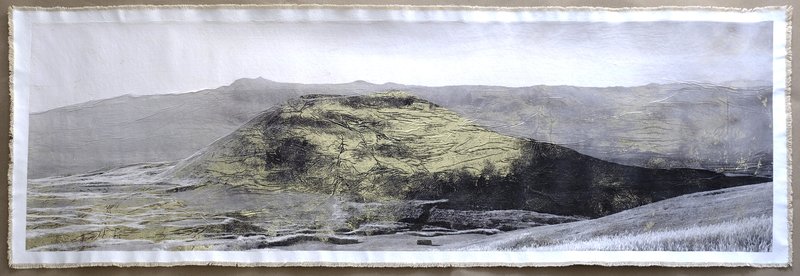
“Natural Abstractions” is a tribute to Halps traditional Chinese painting and Japanese print masters of the 18th century, whose graphic style greatly influenced European impressionists. In this series, he creates modern interpretations of the motives of nature, which are used and repeated by many generations of artists. “Chinese and Japanese landscape painting inspired me for a while, and I wanted to pay tribute to these artists,” says the artist. Each work is done in a positive and negative way.
In these recent works, you can see Claps' fascination with the world of nature captured closely and translated into autonomous compositional elements, which sometimes resemble geometric abstraction, calligraphy and cellular processes.
His creative process begins with photographs taken in different forests and mountains around the world: in Cuba, in China, Japan, in the Caucasus Mountains in Georgia, in the Rocky and Appalachian Mountains of the USA. Images are digitally processed and printed in black and white. Then he puts a layer of gold foil and draws on the images.
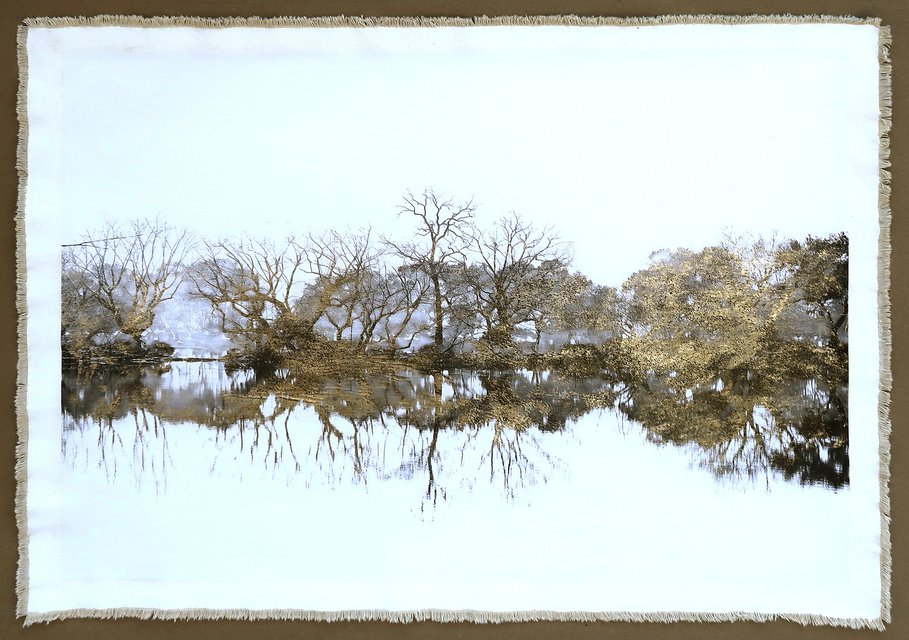
Gold is a symbol of immortality, eternity and perfection, and divine is a reflexive, spiritual, metaphysical, with warmth that develops as daylight changes. Restoring these artistic historical motifs, Claps is trying to create dynamic images that live in the balance between configuration and abstraction.
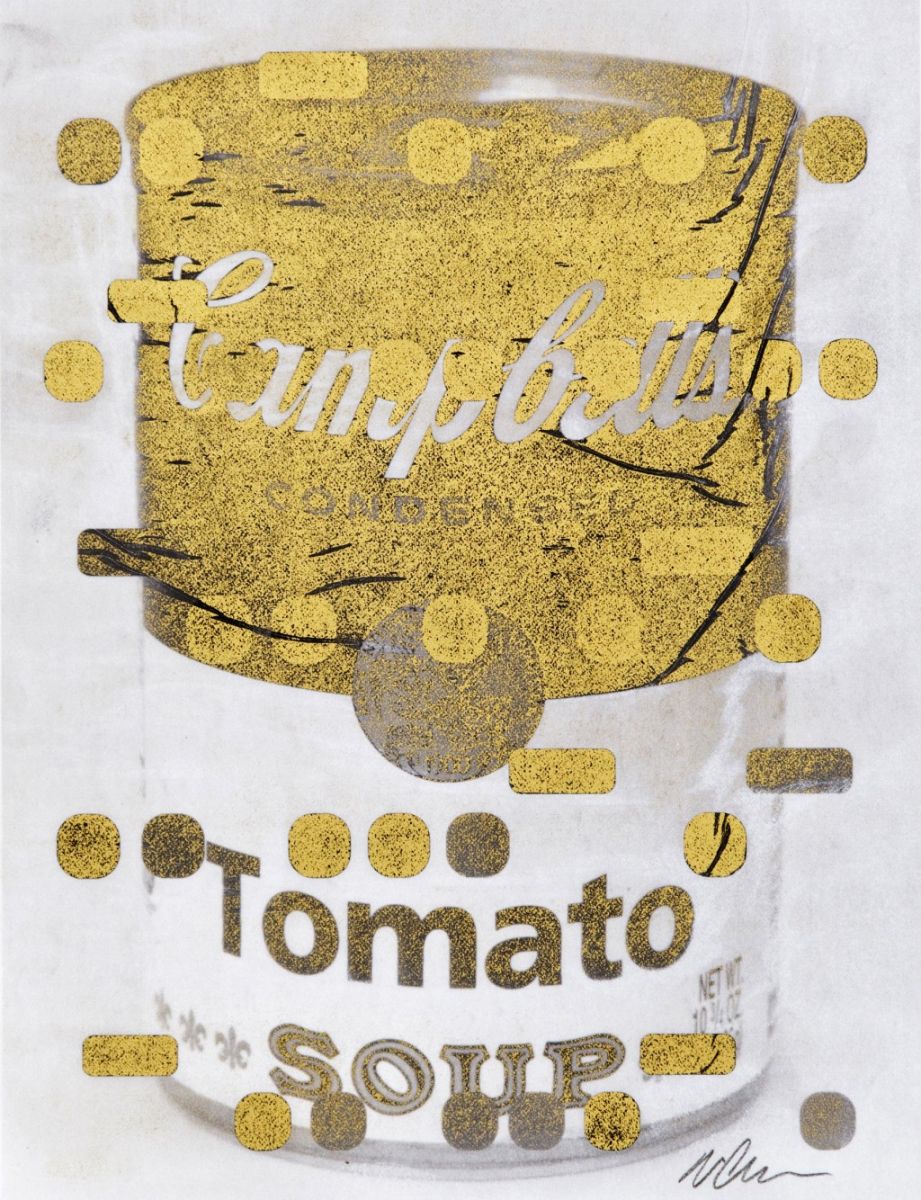
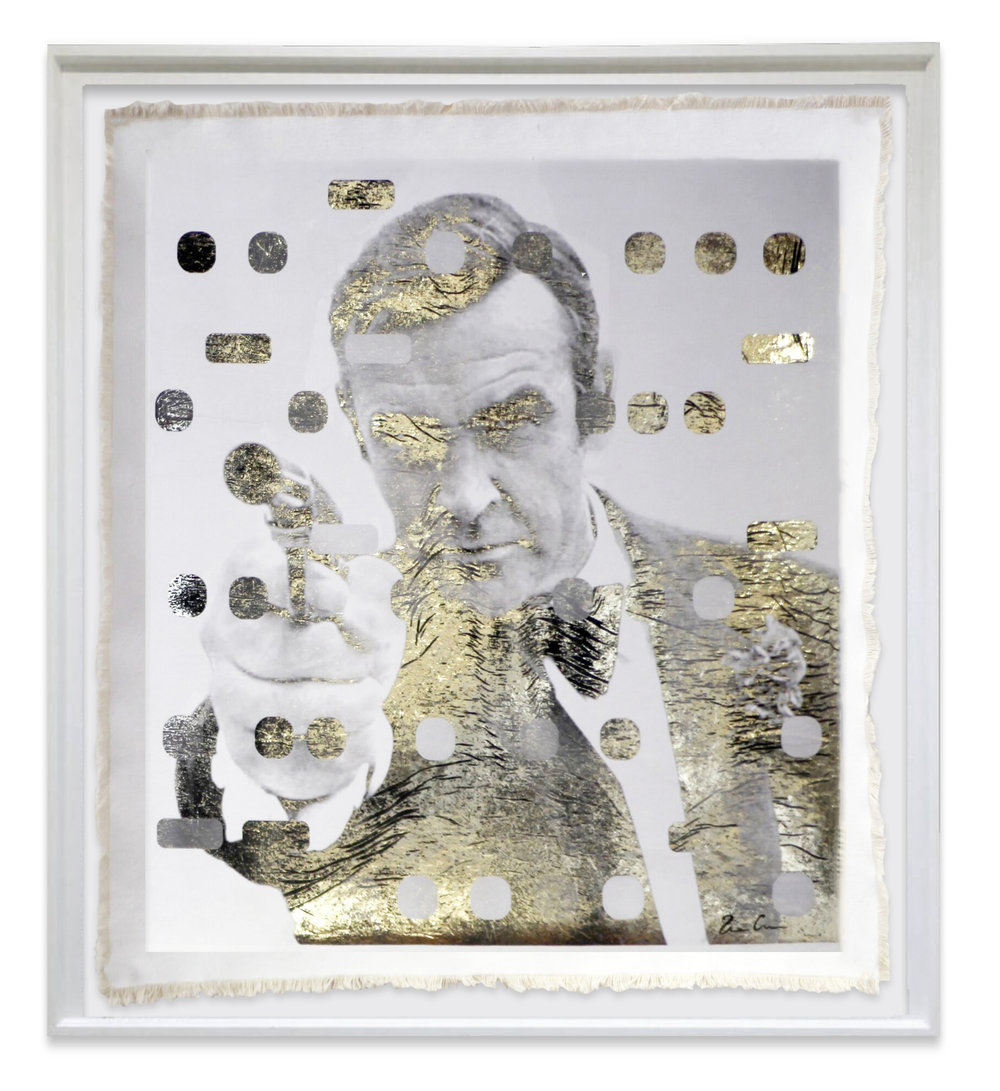
One of the remarkable found, essentially restored and used changes in the technological revolution in human life is Morse code. The artist began to use Morse code in his works in 2012, originally drawn in code in order to make his works in a more narrative, but non-transparent way that attracted viewers to further study the work. According to Claps, “Morse code was the first digital code of the information age, but it is no longer used, so it is both modern and retro. This is really important to me, especially with the series “This is All Derivative,” which comments on artistic and historical ideas. In addition, I like simple, clean code elements that I can distort and abstract in interesting ways to place images in my works. ”
Claps' works express a search for the motivation of artistic expression and call into question his own place in the continuum of the history of art. “As an artist, if you didn’t grow up in a room without windows, it’s impossible not to be influenced by all those who were before you, and you must pay tribute to this.”
Войти через соц. сети: